

4 Quick Ways Photographers Can Prep for a Photoshoot


When it comes to photography, preparation is key. Preparation can make it easier to handle unexpected circumstances, improvise, and come up with quick solutions during photoshoots. Trust me, there is always SOMETHING that comes up. How we navigate the unexpected is what really matters. Personally, prepping puts me at ease, so I can focus on the flow of the photoshoot instead of details I could have addressed in pre-production. Here are four ways photographers can prep for a photoshoot to ensure a successful outcome.
1. KNOW YOUR CLIENT'S VISION
First, it is important to understand the client’s vision. To really nail the perfect shots your client or model is looking for, it's important to do your research beforehand and find out as much as you can about what they're hoping to achieve. One of the best ways to do this is to simply ask them directly. What kind of images are they looking for? What kind of vibe do they want to capture? If you can get a clear sense of their vision, you'll be in a much better position to make it a reality. Answering these questions will help you to know what kind of preparation is necessary.
I like to do a Concept Call with my clients where we discuss what it is they want from the shoot, any references to other photoshoots they like. I also give them a questionnaire that helps me get to know them a little better, like what kind of music they like to listen to, what memory makes them smile instantly, what puts them at ease. The questions can also vary depending on what type of photoshoot it is.
2. CREATE A MOOD BOARD
Second, create a mood board, even if it's just for yourself. This is a collection of images that capture the overall feel of the shoot. It can be helpful to physically arrange these images in a way that tells a story, or they can simply be stored electronically. The mood board will be a reference point for both you and the client.
I have price packages that include a mood board, and some that do not. Either way, I make the mood board as a guide for myself to keep in mind while shooting. I also use it to direct the client, because they may not always have a creative vision for the shoot, in which case they will look to you to come up with that vision.
3. RESEARCH POSES
Third, do your research! Know your client's body type, skin tone, comforts and discomforts, and let that information guide you in posing your client during the photoshoot. Maybe they don't love low angle photographs of themselves, or perhaps they like to favor a specific side in pictures. Research these details in pre-production, and practice if you are unfamiliar with how to accomplish specific poses.
Experiment, play, have fun with discovering new ways to position clients. I've had to learn the hard way many times before I started doing this myself. It definitely helped ease my anxiety and that of clients too when I was better able to direct them. So much of working with clients and models is establishing trust. The more I've grown and practiced as a photographer, the more trust and confidence I've created in myself, which allows those I'm working with to trust and have confidence in me and the final product I will provide.
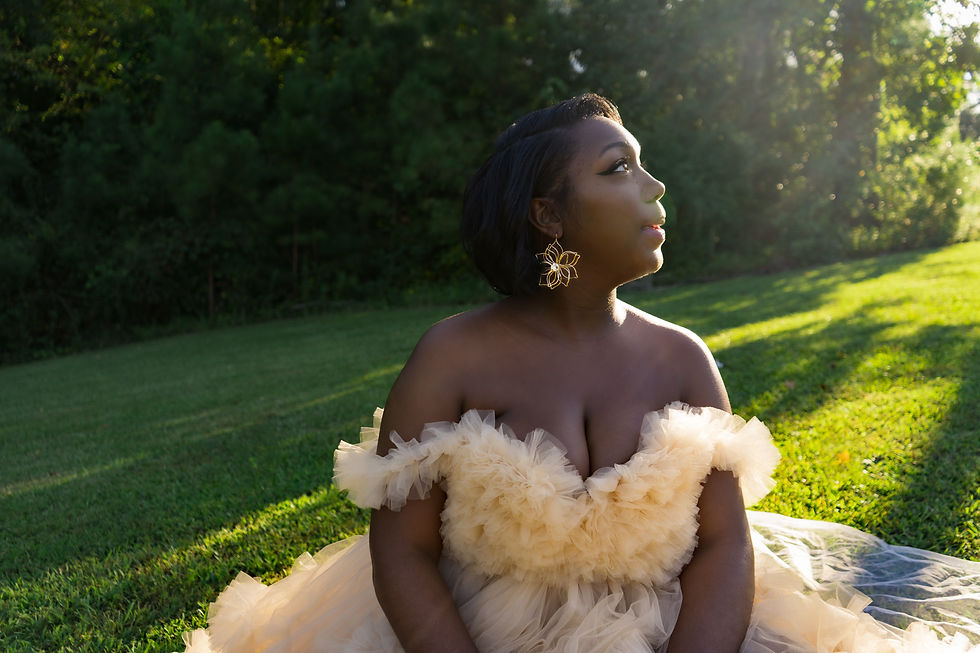
4. LOCATION SCOUT
Lastly, you should scout the location. This is especially important if the shoot will be taking place in an unfamiliar setting. Scouting the location helps you generate a game plan, and helps you ensure all the necessary equipment is on hand, making you ready for almost anything.
Location is key when it comes to photography. The right location can make or break a shoot. When choosing a location, think about the type of shoot it is, the time of day, and the lighting. All of these factors will affect the photos. Once the location is chosen, it's time to come up with a game plan. This is where photographers need to think about the shots they want to get and how to best execute them. It's important to be flexible, as the shoot may not always go as planned. But by having a plan, it will be easier to get the perfect shot.
Make sure you have all the necessary equipment. This includes things like cameras, lenses, tripods, and flashes. By having all the right gear, you will be able to capture the best photos possible.
My most recent photoshoot was a maternity shoot, which I'd never done before. The location was also one I was unfamiliar with. I made it a point to scout the week before so I could find areas that would fit the feel of the shoot, have good lighting for the time of day we would be there, and be safe and easily accessible for the client. I also had to keep in mind things like bathrooms, heat, and shade. The client appreciated that I had all this information readily available on the day of. Because I took the time to scout, I elevated and created a memorable experience for my client.
BONUS
It is always beneficial to arrive early on the day of the shoot. This gives you time to set up and test the equipment. It also allows for any last-minute adjustments that may need to be made.
In conclusion, by following these four steps, you can better prepare for your next photoshoot. From creating a mood board to building a poses toolkit, these steps will help set you up for success!
header.all-comments